
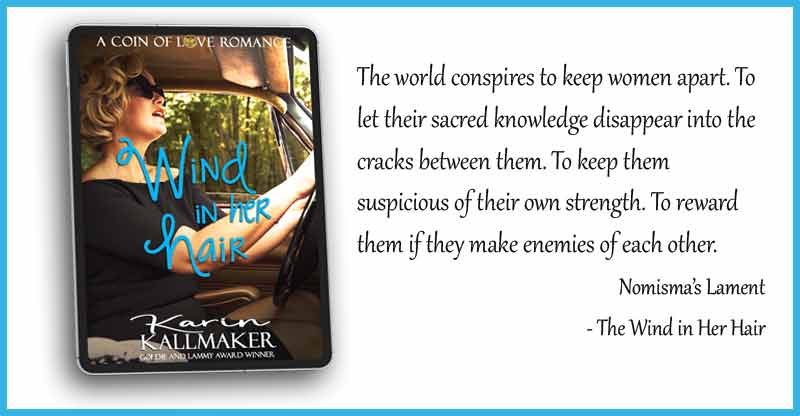
Even if she was a widow, she was somehow a virgin. Or so lightly touched by a previous marriage she was considered pure enough for the purposes of being an appropriate wife in the 1950s post-war mystique, which was eager to yank women out of workplaces and into pedestal-shaped cages.
Pulp vs. Purity
Pulp Romances
At the time, there was a distinct separation between pulp romances and what I’m calling “purity” romances. Pulp romances were distributed through bus stations and drug stores. Their love stories didn’t arrive at a happy ending without lurid events, like lesbian side affairs or dalliances with bad boys that lead to brushes with the law. While they could be exploitative, pulp romances had real world problems like sexual assault, battering and bullying, substance and alcohol abuse, and the lack of financial autonomy that drove women to desperate measures.

Pulp novels of this era were the first to posit lesbian stories that didn’t end in death for the “predator lesbian.” They were books so inexpensive and brief they could be read on a bus journey and left behind, no one the wiser that you’d been gobbling up tales of premarital sex, walks on the wild side, and the temptations of Those Kinds of Women. It’s a pulp romance, Spring Fire, that opens Irene’s mind in Wind in Her Hair to the idea that women can not only be true and valued friends to each other, they can also be lovers. Read More


