There’s only one of her old songs that matters to grunge-diva-turned-celebrity-chef Devi Raven, and she’s not going to let an autotuned pop star with bubble gum for a soul sing it.


There’s only one of her old songs that matters to grunge-diva-turned-celebrity-chef Devi Raven, and she’s not going to let an autotuned pop star with bubble gum for a soul sing it.

A delicious calendar year’s journey through the lives of women you already love.
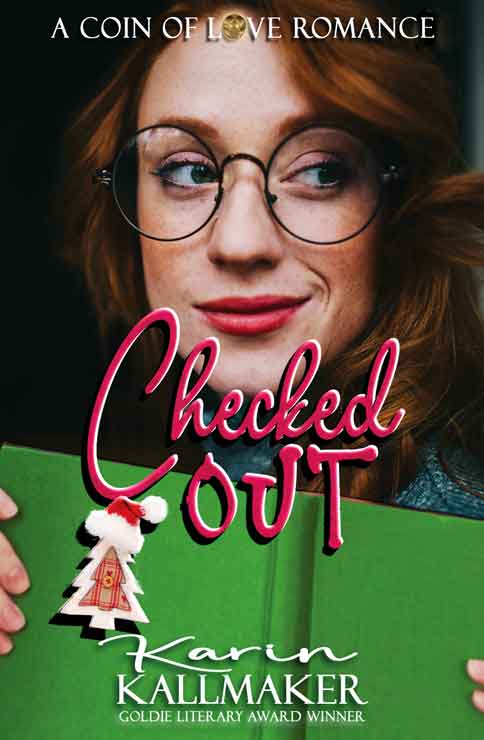
Ask a small town librarian a few questions – what could be difficult about that? Agent Peri Garritsen is in way over her head.
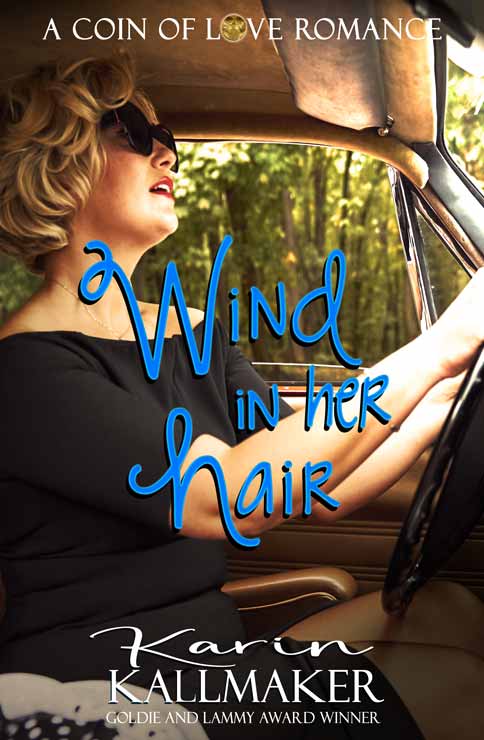
Longing to escape from her conventional, constrained life, Irene finds herself with a car of her own for the first time in her life. A missed exit, a pulp novel, and a little town called Mariah change everything.

In a time of knights and magic, under moonlight and starfire, two hearts find the path to each other.

The allure of Venice keeps Artie Bryson happily buried in the past. Until the night Nikki Velvet’s sultry voice lures Artie into the Casino di Venezia cabaret. And the night after that…

Is there a future in a prairie town where Darlin’ is her only name? A historical romance where the women save themselves – and each other.

Cynical New York journalist Alice Cabot isn’t about to succumb to the charms of California’s beaches, fake Hollywood glamour, or simply perfect Pepper Addington.

A pre-Stonewall survivor. An out, proud woman of the Gay 90s. Decades separate them. Passion – and books – ignite them. Even when the world disapproves, love finds a way. The author’s cut of this beloved classic.

Stranded together in a snowbound cabin, Jackie Frakes and Leah Beck’s lives will never be the same. The 25th Anniversary edition includes two additional short stories and a foreword by the author.

Josie and Paz want to get married but their respective guardians scoff at the very idea of love at first sight. So they arrange for Kesa and Shannon to meet…
Jac tells her best friend an erotic story of deep connection, hoping her lady love will read between the lines. Explicit, hot and brimming with intimacy. 5 flame heat index!

Diana Beckinsale is the most alluring woman Paris Ellison has ever met, but Paris can’t condone her madcap plans. Not when Diana is a completely different woman every time they meet. It’s all fun and games until somebody loses her heart.

Hayley Carnegie‘s life is complicated by a mysterious book of blank pages – and an alluring new neighbor who challenges everything Hayley doesn’t believe in, including love.
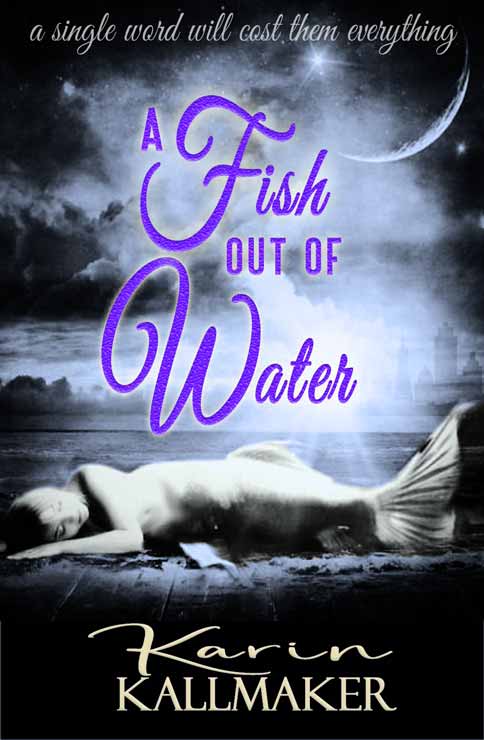
A single word will cost them everything… The 77th daughter of the Mer queen is irrevocably bound to a human woman by a deadly curse. Stripped of her voice, Ariel must find a way to save them both.

When an ingenue inherits a remote, storm-drenched castle in a foreign land, she doesn’t expect romance, sex, and intrigue as part of the adventure. Or a curiously attractive caretaker.

What happens when passionate attraction gets in the way of cherished dreams? Strong women like Jennifer Lamont and Suzanne Mason can have everything – except each other. Companion to Stepping Stone.
Humor, tenderness and high-erotic energy combine when an inexperienced lesbian finds the courage to knock on her neighbor’s door. Reader favorite!

Home from Afghanistan to surprise her mother, Milla doesn’t expect more than the best apple pie in the world and the bliss of unrationed hot showers. She’s not counting on futures — or meeting a woman like Tyna.

“She has no idea who she’s dealing with!” It’s hate at first sight for Dr. Nicole Hathaway and her new assistant, Lily Linden-Smith.

Laura Izmani is glad of her new client, a wealthy actress who needs a private chef for her twins. She’s also grateful that Helen Baynor doesn’t remember their first meeting on a roller coaster ride that changed their lives.
A literary dessert buffet of more stories inspired by Karin’s recent novels, like Above Temptation and Substitute for Love along with classics like Paperback Romance and Wild Things.

How long can Tamara Sterling and Kip Barrett hold tight to their ethics when they’re longing to hold tight to each other?

A river of ice has frozen Anidyr Bycall’s life. The future looks even colder when she returns home to the glaciers of Alaska, the mistakes of her past, and the disdain of the woman who once loved her.

Producer Selena Ryan isn’t going to let anyone use her to get what they want, ever again. Gail Welles and her nice girl act isn’t going to work.
With CJ Roshe’s past hunting her down, she can’t offer Karita Hanssen anything more than kisses and goodbyes – not even her real name.
All bets are off when Radclyffe and Karin Kallmaker deal the cards – and every hand is a winner.

Will a shipwreck on a tropical island lead Marissa Chabot and Linda Bartok to finders keepers? Or losers weepers?

Karin Kallmaker and Radclyffe can’t wait to get you all wet with this dual erotic short story collection.

Behind every door is a story of lesbian passion. First time couplings and couples who mix lust and love make 18th and Castro the hottest sapphic address in the city by the bay.
Listed as 16 Shades of Lesbian Love for Kindle.

A steamy look at sex and the single girl as Brandy weighs her free-for-all life against her growing feelings for her best friend.
Syrah Ardani’s prejudice and Toni Blanchard’s pride cause an epic clash that turns the peaceful Napa countryside upside down. A very lesbian update of Jane Austen’s Pride and Prejudice.

Three women want sugar from Sugar, who can’t make up her mind.
Finding Ms. Right is no piece of cake.

Cosmopolitan Liddy Peel finds herself in small town Iowa and can’t wait to finish her work and leave. Most vexing of all is the way she feels whenever she sees Marian the Librarian. A scorching summer romance is not what Liddy had in mind.

From the frustrated fumblings of teenagers to the dangerous games of adult passion, Maybe Next Time is a story of professional glory, personal tragedy – and finally love.
In Autumn’s dreams no one is who they seem. A journey of passion, heartbreak and triumph.

A baker’s dozen of the next chapters in the lives of your favorite Kallmaker characters inspired by Wild Things, Painted Moon, Unforgettable and more, plus an extensive afterword.
What dark future does the distant past hold? Autumn only knows her present, and that old magic tingles through her fingers.

When Holly Markham and Reyna Putnam meet the combination adds up to pure passion. But Reyna’s “no tomorrows” rule isn’t enough for Holly.

Will Rett get a second chance with the cheerleader who broke her heart so many years ago? Will Angel Martinetta find that it’s still true: Rett doesn’t make passes at girls who wear glasses?
Will Amanda give up the future, and the woman she loves, to fix the past?
No Life flowers except on a Cemetery. – Remy de Gourmont
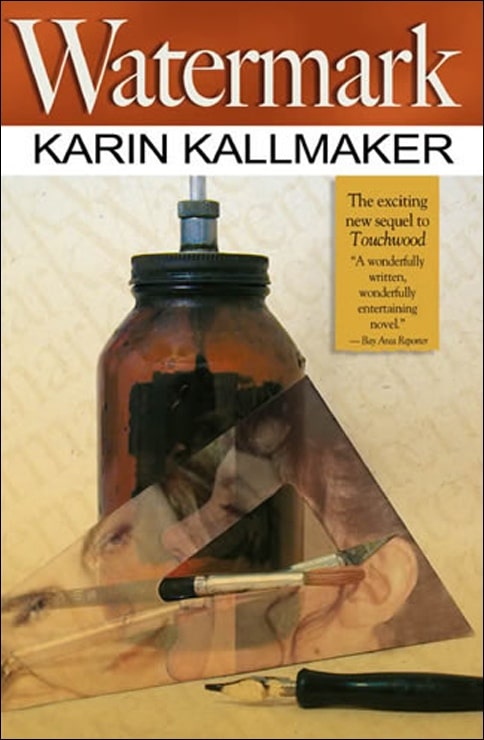
Teresa wants a future with a woman whose heart has been frozen by loss. Sequel to Touchwood.

Delicious recipes and chocolate-as-sublimation abound for Jamie Onassis and Valkyrie Valentine in this romantic send-up of cooking that doesn’t stay in the kitchen.

A gothic tale of two hearts taken captive in colonial New York. In modern Manhattan they meet again, but will the future be any different from the past?

Julia Madison is having nightmares. All night. Every night. She turns to a sleep disorder support and discovers that other lesbians are having similar nightmares. Convincing them to help her comb the Mojave Desert for the source is only the beginning of the adventure.
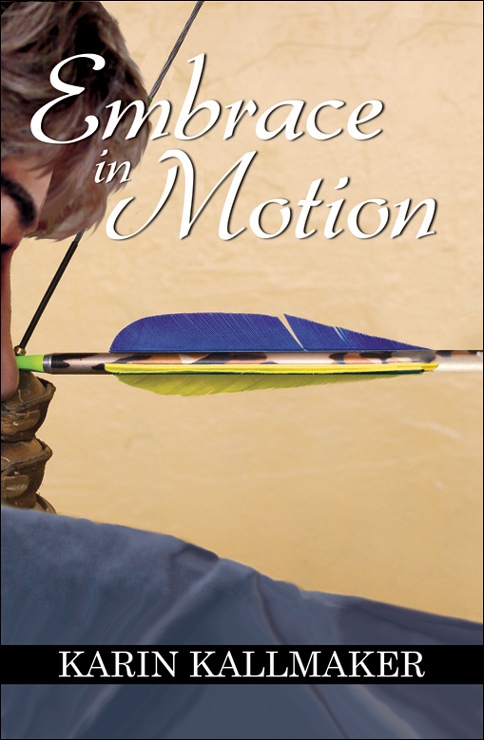
Instant Lust. Not so instant regret. An impulsive move to prove it’s “true love.” In a new city with Ms. Wrong, what happens when Ms. Right comes along?

Dutiful daughter Faith Fitzgerald has met the perfect man. There’s just one problem: she’s in love with his sister. Sydney Van Allen‘s political ambitions don’t allow scandal, let alone love.
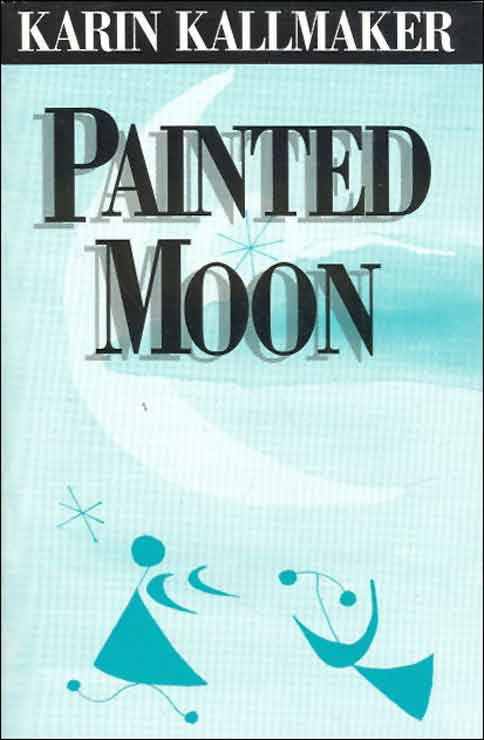
Stranded together in a snowbound cabin, Jackie Frakes and Leah Beck’s lives will never be the same.

Ninety minutes, twice a day. Five days a week. And they hate each other.

Carolyn falls for tall, dark and … female … in this classic homage to the romance genre. This is not your mother’s Harlequin!
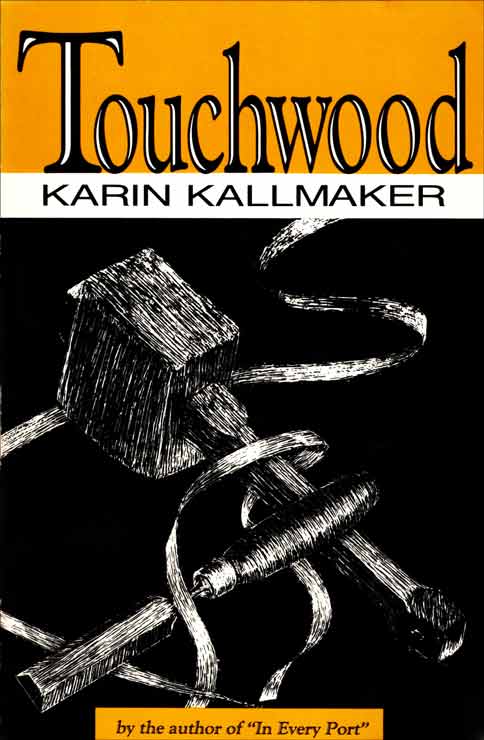
Rayann loves Louisa. Louisa loves Rayann. Can the decades between their ages keep them apart?

Jessica Brian believes she already has it all. Until she meets her new neighbor Cat Merrill.